
Our services
European Wasp Removal
Bright yellow-and-black wasps nesting in the ground, a wall or a roof space? We identify European wasps and deal with the nest.
- Ground, wall cavity and roof void nests
- Larger colonies in late summer and autumn
- Free quote after inspection
European Wasp Removal for Homes and Businesses
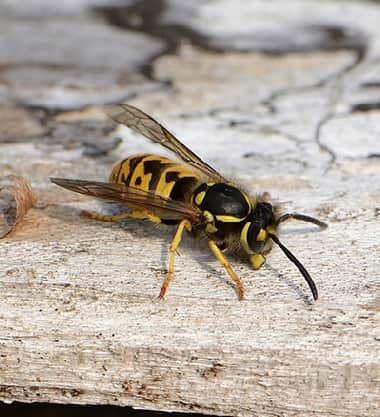
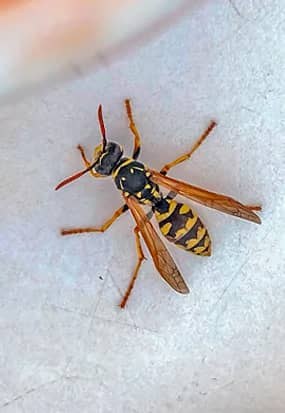
European wasps (often called yellow jackets) are bright yellow and black, roughly the size of a bee, and are found in the southern parts of Australia. Their nests are built from chewed wood fibre and are often out of sight - in the ground, inside wall cavities, in roof voids or in sheds and timber piles.
A colony starts small in spring and grows through summer, often becoming most noticeable in late summer and autumn, when wasps are drawn to sweet drinks, food scraps and outdoor eating areas. Because the nest may be hidden, a stream of wasps flying to and from a small hole is often the only sign.
Our European wasp removal service locates the nest, treats it and removes it where possible. If you think you have European wasps, please keep clear of the entrance and contact us.
Signs You May Need Wasp Removal
You don't always see the nest first - often it is the wasps that give it away. Common signs include:
- Wasps repeatedly flying to and from the same spot
- A papery, grey or brown nest under an eave, on a branch or in a shed
- Wasps entering and leaving a hole in a wall, roof space or the ground
- A steady buzzing or scratching sound inside a wall or ceiling
- Mud tubes or small mud cells on walls, under eaves or in garages
- Wasps gathering around bins, outdoor dining areas or pet food
If you notice any of these, please avoid disturbing the area and get in touch. We will inspect the property to find the nest, even when it is out of sight.
Where Wasp Nests Hide
Wasps choose sheltered, quiet spots close to food. We regularly find nests in:
- Roof eaves and gutters
- Roof voids and ceilings
- Wall cavities and weep holes
- Sheds and garages
- Trees, shrubs and hedges
- Underground burrows and lawns
- Under decks, pergolas and patios
- Letterboxes and meter boxes
- Barbecues and outdoor furniture
- Playground equipment
- Hanging pots and garden ornaments
- Awnings, signs and loading docks
How Our European Wasp Removal Works
- IdentifyWe confirm the wasp is a European wasp from its colouring, size and behaviour.
- Find the entranceWe follow the wasp traffic to the nest entrance, whether it is in the ground, a wall or a roof space.
- Treat the nestThe nest is treated at the source by a method suited to its location.
- Remove and checkWhere possible the nest is removed and the area checked.
- AdviseWe explain what attracts European wasps - sweet drinks, food scraps and open bins - and how to reduce it.
Types of Wasps We Deal With
Different wasps build different nests and behave differently, so we identify what you have before we treat it. Learn more about the wasps we see most often:
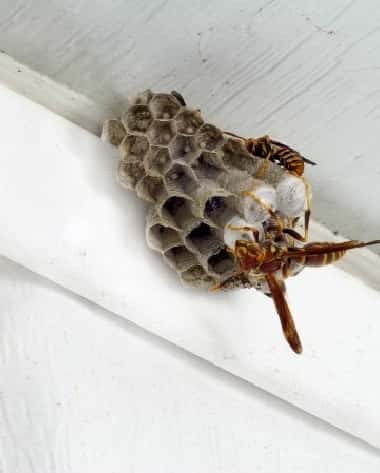
Paper Wasps
Slim wasps with long, dangling legs that build open paper nests under eaves and in shrubs.
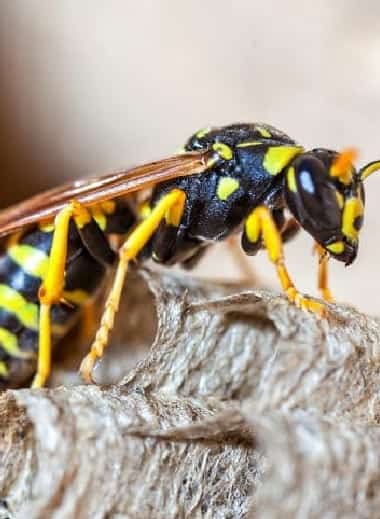
Yellow Jacket & European Wasps
Bright yellow-and-black social wasps that often nest in the ground, wall cavities and roof spaces.
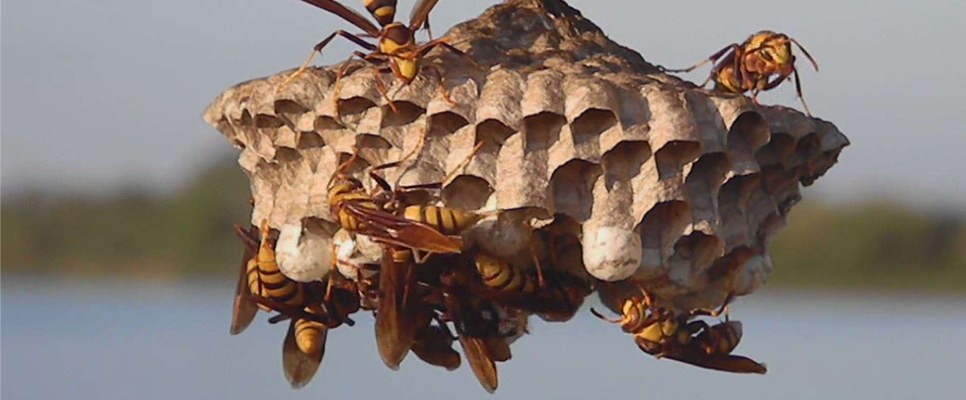
Mud Dauber Wasps
Slim black-and-yellow wasps that build mud tubes and cells on walls, eaves and sheds.
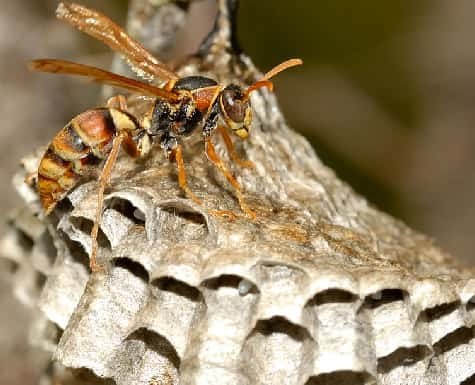
Native Ropalidia Paper Wasps
Slim, reddish-brown native wasps that live in small colonies with small paper nests.
Australian Native Paper Wasps
Social wasps that build open, umbrella-shaped paper nests under eaves and branches.
Great Black Digger Wasps
Large, mostly black solitary wasps that dig burrows in soil.
How We Quote European Wasp Removal
Every nest is different, so we give you a clear written quote after we inspect it. The work involved depends on the type of wasp, where the nest is, how hard it is to reach and how big it has grown - we look first, then tell you exactly what European wasp removal involves.
There are no hidden charges, and we only start once you are happy with the quote. Call us or send the quote form and we will arrange an inspection.
Why Choose Target Wasp Removal for European Wasp Removal?
Why property owners choose Target Wasp Removal for European wasp removal:
7 Days a Week
Wasps don't take weekends off, and neither do we. Call any day, including weekends and public holidays.
Same-Day Service Available
Where we can, we visit the same day you call - especially for nests near doors, play areas and outdoor eating spaces.
Clear Quote After Inspection
We look at the nest first, then give you a clear written quote with no hidden charges.
We Identify the Wasp
Paper wasps, mud daubers and European wasps each need a different approach, so we identify what we're dealing with.
Homes & Businesses
Houses, apartments, cafes, schools, childcare centres, warehouses and other commercial properties.
Questions Answered
We tell you what kind of wasp it was and answer your questions.
European Wasp Removal Near You
Wasp Nest Removal
A wasp nest near your home or business needs to be dealt with carefully. We locate the nest, treat it and remove it - working around people, pets and your property.
Learn more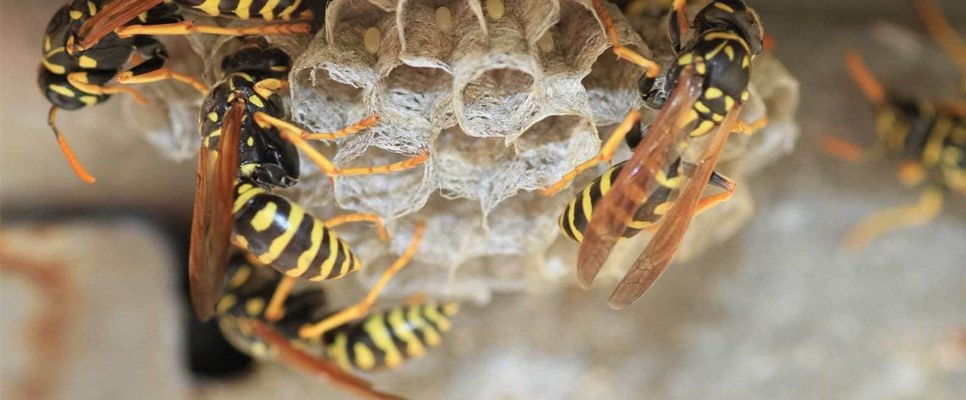
Wasp Nest Treatment
Active wasps around your property? We treat the nest at the source so the activity around your home or business settles down.
Learn moreWasp Nest Control
Wasps often return to the same nesting spots year after year. We deal with the nest and remove it.
Learn more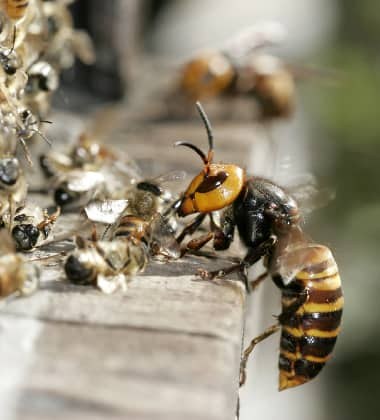
Wasp Control Services
Wasp control for homes and commercial properties - inspection, identification, nest treatment and checks through the warmer months.
Learn moreHornet Removal
Large, hornet-like wasps and their nests removed from your home or business. We identify what you have and deal with the nest.
Learn more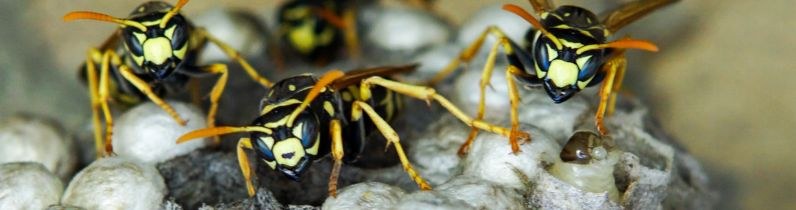
Emergency Wasp Removal
A wasp nest at your front door, in a play area or where customers eat can't wait. Call us and we will arrange urgent removal.
Learn morePaper Wasp Removal
Open, umbrella-shaped paper wasp nests under your eaves, pergola or shed? We remove them before the colony grows.
Learn moreEuropean Wasp Removal
Bright yellow-and-black wasps nesting in the ground, a wall or a roof space? We identify European wasps and deal with the nest.
Learn moreEuropean Wasp Removal Photo Gallery
Wasp Removal in Your City
Local pages with service details and booking information.
Found a Wasp Nest? Call Us Now
Please don't disturb an active nest. Call us or send the quote form and we will arrange nest removal for your home or business.
European Wasp Removal Near You
European wasps are an aggressive introduced species in much of Australia. Their nests are usually hidden in the ground, walls or roof spaces and can contain thousands of wasps. Our local technicians find and treat European wasp nests safely.
How to identify European wasps
- Bright yellow and black, similar size to a bee
- Legs tucked up in flight
- Attracted to meat, sweet drinks, bins and pet food
- Nest often hidden – look for wasps flying in and out of one hole
Why European wasps need a professional
- They can sting multiple times
- They attack in numbers when the nest is disturbed
- Nests are often hidden underground or inside walls
Call 0483 948 911 for European wasp nest removal – same-day where possible.
Frequently asked questions
Common questions about european wasp removal.
How do I recognise a European wasp?
European wasps are around 12-15 mm long, bright yellow and black, with black antennae, and they fold their wings lengthwise when resting.
Where do European wasps nest?
Often underground, in wall cavities, roof voids, sheds and timber piles. A stream of wasps flying to one small hole is a common sign.
How do you quote for European wasp removal?
We give you a clear written quote after we inspect and locate the nest. There are no hidden charges.
Should I report European wasps?
Some areas ask residents to report European wasp sightings to the local department of primary industries or agriculture. Check your state or territory guidance.
When are European wasps most active?
Colonies grow through summer and are often most noticeable in late summer and autumn.