
Wasp Types in Australia
Identify the wasps found around Australian homes and businesses - and find out which ones need attention.
- 13 wasp guides
- Nest shapes, sizes and habits
- Removal help when you need it
Wasps Found Around Australian Homes
Australia is home to thousands of wasp types, and most are harmless or helpful. A handful nest around homes and businesses and are the ones people ask us about. Use these guides to work out what might be nesting on your property - and contact us if you would like the wasp identified and the nest removed.
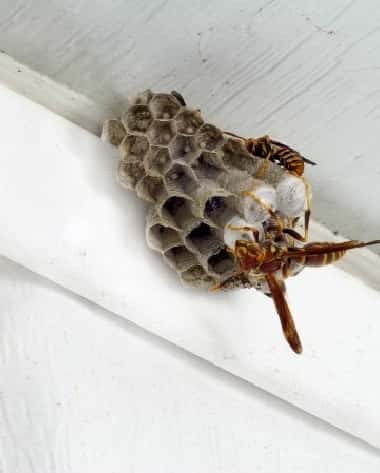
Australian Native Paper Wasps
Social wasps that build open, umbrella-shaped paper nests under eaves and branches.
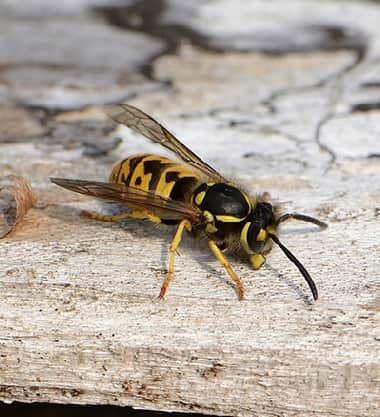
Great Black Digger Wasps
Large, mostly black solitary wasps that dig burrows in soil.
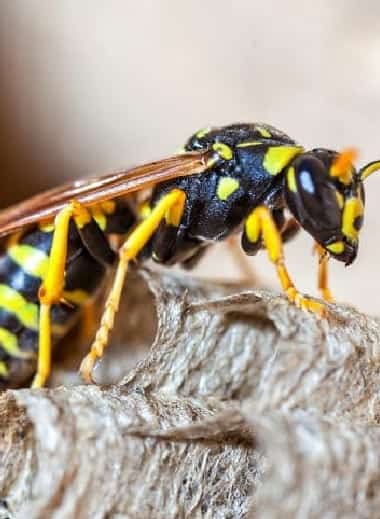
Blue Hairy Flower Wasps
Large, dark-blue wasps with hairy bodies that visit flowers and hunt beetle grubs.
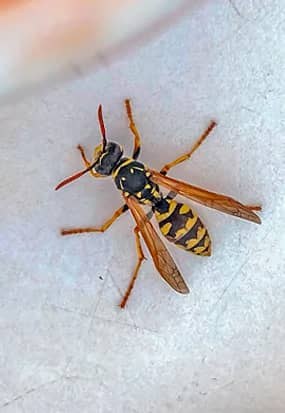
Cuckoo Wasps
Small, metallic jewel-coloured wasps that lay their eggs in the nests of other wasps and bees.
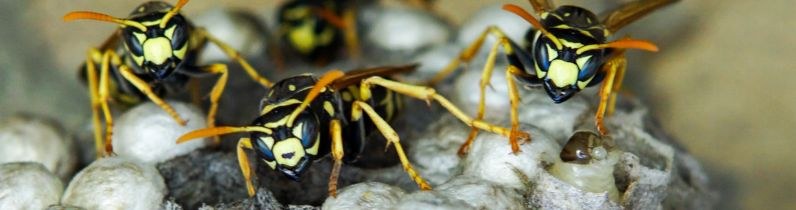
Fig Wasps
Tiny wasps that live inside figs and pollinate fig trees.
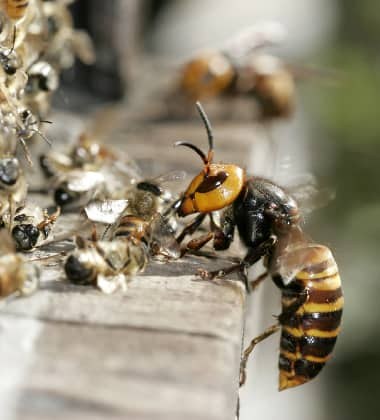
Hairy Flower Wasps
Hairy, yellow-and-black banded wasps that feed at flowers and hunt beetle grubs in the soil.
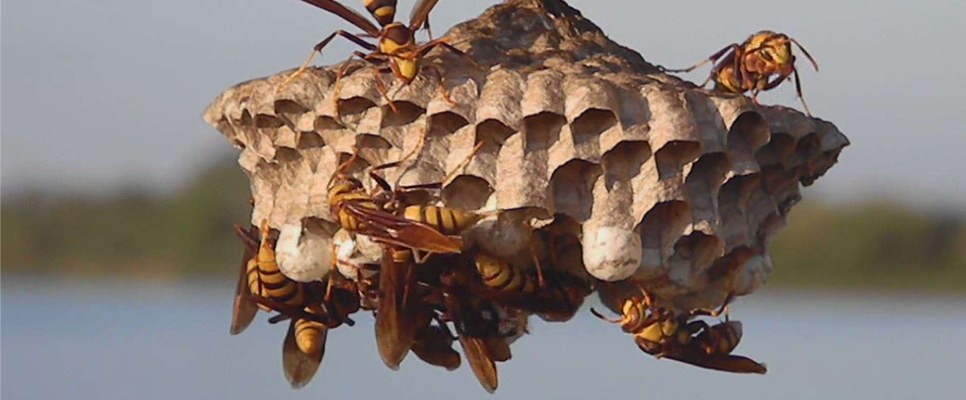
Mud Dauber Wasps
Slim black-and-yellow wasps that build mud tubes and cells on walls, eaves and sheds.
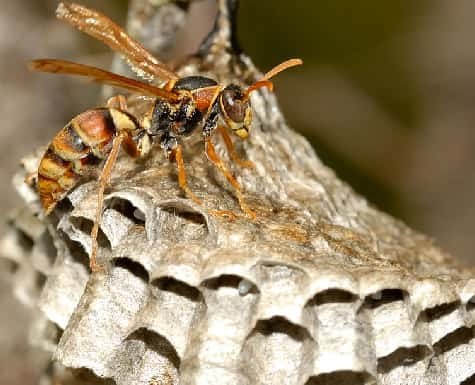
Native Ropalidia Paper Wasps
Slim, reddish-brown native wasps that live in small colonies with small paper nests.
Paper Wasps
Slim wasps with long, dangling legs that build open paper nests under eaves and in shrubs.
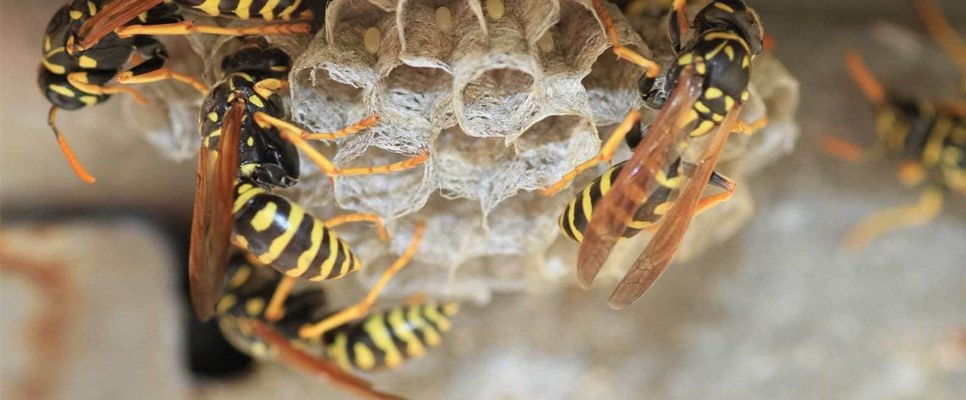
Parasitic Wasps in Australia
A huge group of mostly tiny wasps that lay their eggs on or inside caterpillars, beetle grubs and other invertebrates.
Bembix Sand Wasps
Stocky, ground-nesting wasps that hunt flies to feed their young.
Spider Wasps
Solitary wasps that hunt spiders, paralyse them and use them as food for their young.
Yellow Jacket & European Wasps
Bright yellow-and-black social wasps that often nest in the ground, wall cavities and roof spaces.
Not Sure What You Have?
Size, colour, nest shape and where the wasps are entering and leaving all help identify a wasp. If you're unsure, send us the details and we will identify it when we inspect.
Found a Wasp Nest? Call Us Now
Please don't disturb an active nest. Call us or send the quote form and we will arrange nest removal for your home or business.
Frequently asked questions
Quick answers to what people ask us most.
How can I tell wasps from bees?
Wasps usually have smooth, slim bodies with a narrow waist and little hair, while bees are rounder and hairier. Many wasps are also more brightly marked with yellow, orange or black bands.
Are all wasps social?
No. Most wasps are solitary. Only some, such as paper wasps and European wasps, live in colonies and defend a nest.
Which wasps need to be removed?
Colony-building wasps nesting near people - paper wasps, European wasps and other social wasps - are the ones most often removed. Solitary wasps such as mud daubers and digger wasps rarely need attention.