
Bembix Sand Wasps
Stocky, ground-nesting wasps that hunt flies to feed their young.
- Group: Sand wasps (Bembix)
- Size: About 12-20 mm
- Nest: Burrow in sand
About Bembix Sand Wasps
Bembix sand wasps are stocky, fast-flying wasps that dig burrows in sandy or loose soil. Females hunt flies, which they catch in flight and carry back to feed their young. You can spot them along sandy paths, dunes, dry creek beds and bare patches of garden.
What Bembix Sand Wasps Look Like
Look for a stout body with black and yellow or white bands, big eyes and a hovering, darting flight. They dig quickly, sending sand flying with their front legs.
Nests and Life Cycle
The female digs a burrow, stocks it with flies, lays an egg and seals or partly closes the entrance. Many females often nest close together in a good patch of soil, so you may see dozens of holes.
Is It a Problem at Your Property?
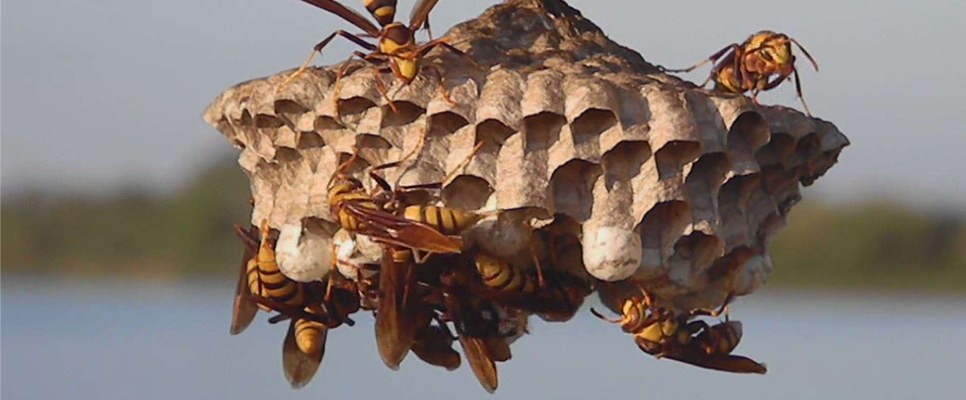
Wasp Nest Removal
A wasp nest near your home or business needs to be dealt with carefully. We locate the nest, treat it and remove it - working around people, pets and your property.
Learn more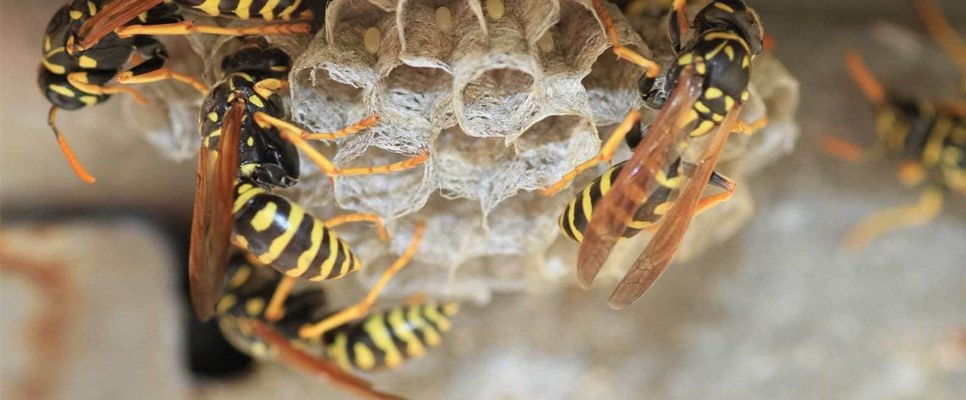
Wasp Nest Treatment
Active wasps around your property? We treat the nest at the source so the activity around your home or business settles down.
Learn more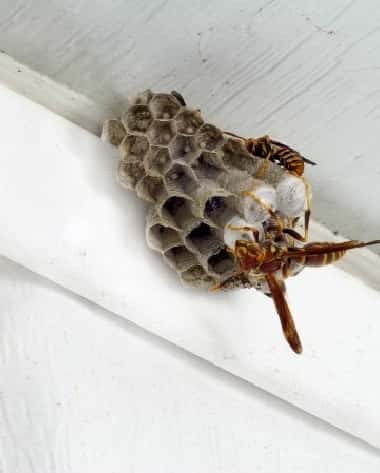
Wasp Nest Control
Wasps often return to the same nesting spots year after year. We deal with the nest and remove it.
Learn more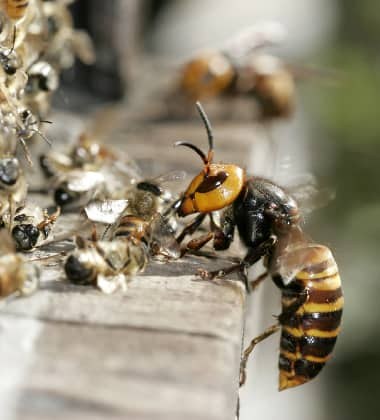
Wasp Control Services
Wasp control for homes and commercial properties - inspection, identification, nest treatment and checks through the warmer months.
Learn more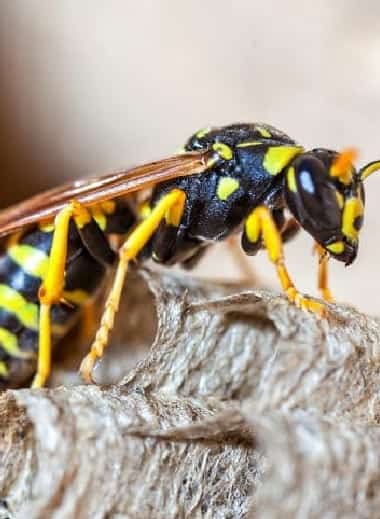
Hornet Removal
Large, hornet-like wasps and their nests removed from your home or business. We identify what you have and deal with the nest.
Learn more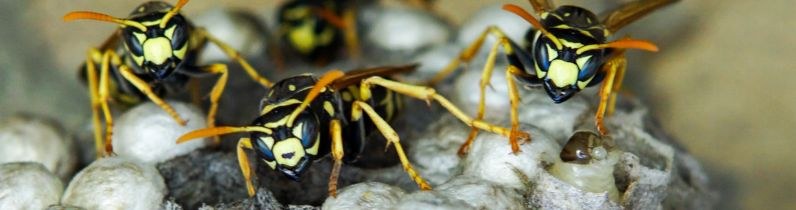
Emergency Wasp Removal
A wasp nest at your front door, in a play area or where customers eat can't wait. Call us and we will arrange urgent removal.
Learn more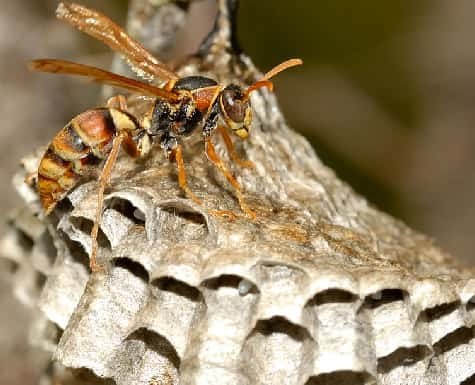
Paper Wasp Removal
Open, umbrella-shaped paper wasp nests under your eaves, pergola or shed? We remove them before the colony grows.
Learn more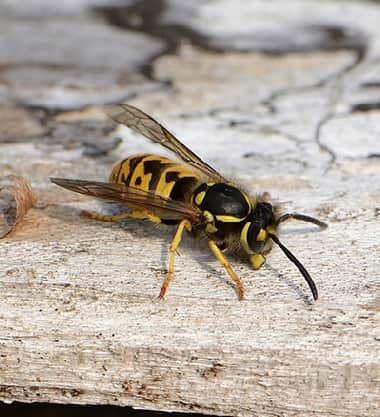
European Wasp Removal
Bright yellow-and-black wasps nesting in the ground, a wall or a roof space? We identify European wasps and deal with the nest.
Learn moreMore Wasp Types
Great Black Digger Wasps
Large, mostly black solitary wasps that dig burrows in soil.
Spider Wasps
Solitary wasps that hunt spiders, paralyse them and use them as food for their young.
Hairy Flower Wasps
Hairy, yellow-and-black banded wasps that feed at flowers and hunt beetle grubs in the soil.
All Wasp Types
Identify the wasps found around Australian homes and businesses - and find out which ones need attention.
Found a Wasp Nest? Call Us Now
Please don't disturb an active nest. Call us or send the quote form and we will arrange nest removal for your home or business.
Frequently asked questions
Quick answers to what people ask us most.
Do sand wasps sting?
They can sting if handled or trapped, but they rarely bother people who leave them alone.
What should I do if I find a wasp nest?
Keep people and pets away, don't block the entrance and don't knock or spray the nest. Contact us and we will identify the wasp and arrange an inspection.
Can you identify the wasp for me?
Yes. Tell us what you can see - size, colour, nest shape and where it is - and we will identify it when we inspect.