
Fig Wasps
Tiny wasps that live inside figs and pollinate fig trees.
- Group: Fig wasps (Agaonidae)
- Size: About 1-3 mm
- Nest: Inside figs
About Fig Wasps
Fig wasps are tiny wasps that depend on fig trees. Each fig species has its own fig wasp partner, and the two rely on each other: the wasp pollinates the fig flowers, and the fig provides a place for the wasp's young to grow. Fig wasps are barely visible and are not the kind of wasp that bothers people.
What Fig Wasps Look Like
Fig wasps are only a few millimetres long. Females are winged and dark, while many males are wingless and stay inside the fig for their whole lives.
Nests and Life Cycle
A female enters a young fig through a tiny opening, pollinates the flowers and lays eggs inside. The young grow in the fig, mate inside it, and the winged females leave to find another fig tree.
Is It a Problem at Your Property?
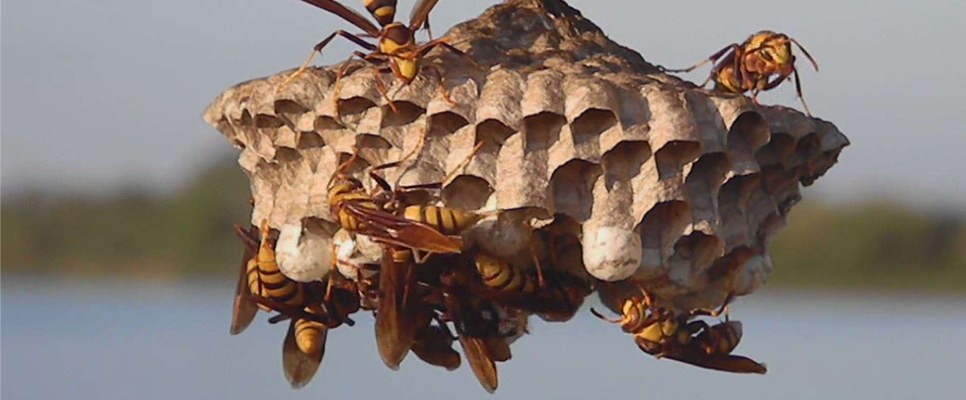
Wasp Nest Removal
A wasp nest near your home or business needs to be dealt with carefully. We locate the nest, treat it and remove it - working around people, pets and your property.
Learn more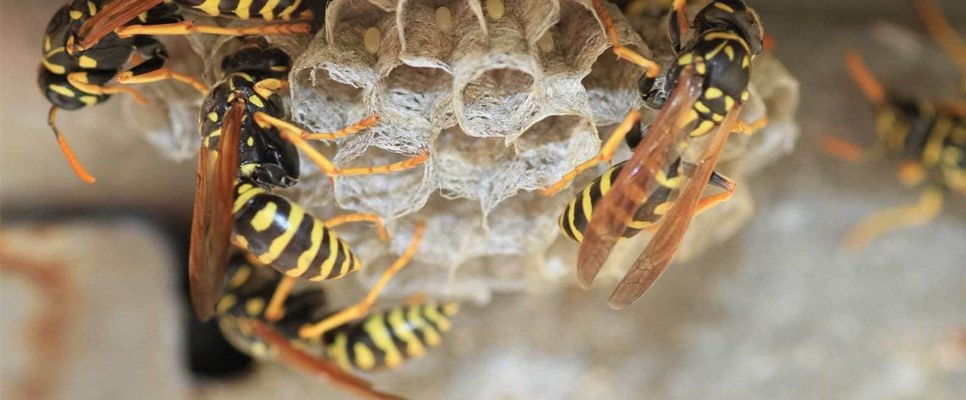
Wasp Nest Treatment
Active wasps around your property? We treat the nest at the source so the activity around your home or business settles down.
Learn more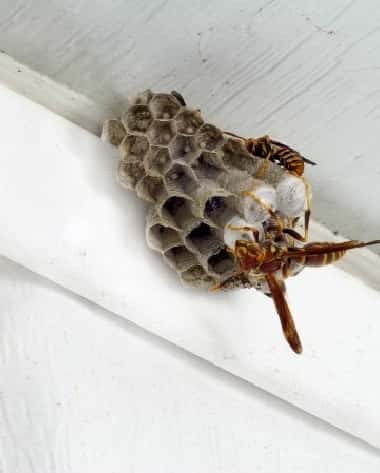
Wasp Nest Control
Wasps often return to the same nesting spots year after year. We deal with the nest and remove it.
Learn more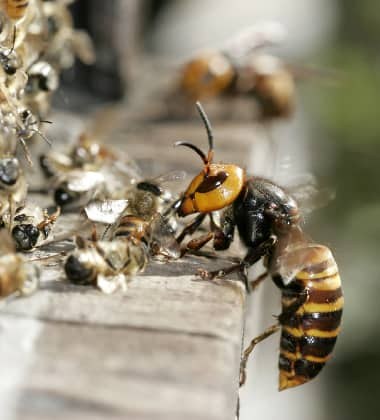
Wasp Control Services
Wasp control for homes and commercial properties - inspection, identification, nest treatment and checks through the warmer months.
Learn more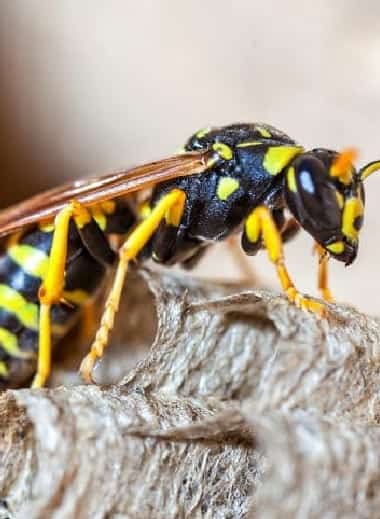
Hornet Removal
Large, hornet-like wasps and their nests removed from your home or business. We identify what you have and deal with the nest.
Learn more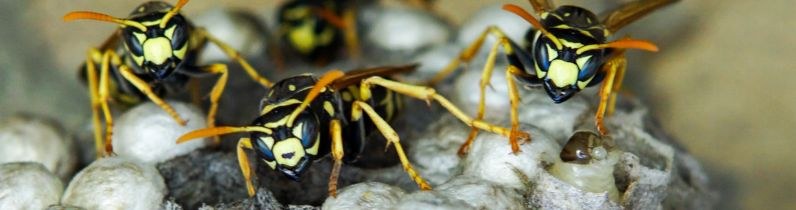
Emergency Wasp Removal
A wasp nest at your front door, in a play area or where customers eat can't wait. Call us and we will arrange urgent removal.
Learn more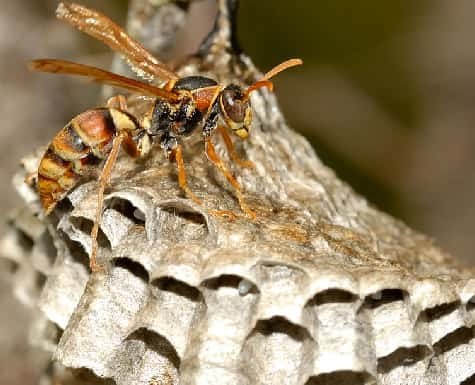
Paper Wasp Removal
Open, umbrella-shaped paper wasp nests under your eaves, pergola or shed? We remove them before the colony grows.
Learn more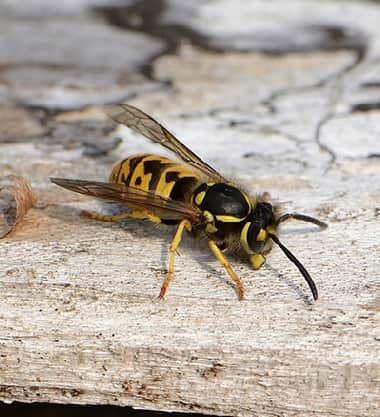
European Wasp Removal
Bright yellow-and-black wasps nesting in the ground, a wall or a roof space? We identify European wasps and deal with the nest.
Learn moreMore Wasp Types
Parasitic Wasps in Australia
A huge group of mostly tiny wasps that lay their eggs on or inside caterpillars, beetle grubs and other invertebrates.
Cuckoo Wasps
Small, metallic jewel-coloured wasps that lay their eggs in the nests of other wasps and bees.
Australian Native Paper Wasps
Social wasps that build open, umbrella-shaped paper nests under eaves and branches.
All Wasp Types
Identify the wasps found around Australian homes and businesses - and find out which ones need attention.
Found a Wasp Nest? Call Us Now
Please don't disturb an active nest. Call us or send the quote form and we will arrange nest removal for your home or business.
Frequently asked questions
Quick answers to what people ask us most.
Are there wasps in the figs I eat?
Fig wasps are an important part of how figs develop. They are tiny, and figs bought or grown at home are not a concern; the wasp's body is broken down inside the fig.
What should I do if I find a wasp nest?
Keep people and pets away, don't block the entrance and don't knock or spray the nest. Contact us and we will identify the wasp and arrange an inspection.
Can you identify the wasp for me?
Yes. Tell us what you can see - size, colour, nest shape and where it is - and we will identify it when we inspect.