
Parasitic Wasps in Australia
A huge group of mostly tiny wasps that lay their eggs on or inside caterpillars, beetle grubs and other invertebrates.
- Group: Many families
- Size: Tiny to large
- Nest: None
About Parasitic Wasps in Australia
Parasitic wasps make up a huge group. Most are tiny, and they lay their eggs on or inside caterpillars, beetle grubs, aphids and other invertebrates. The young wasps feed on the host as they grow. Gardeners and growers value them because they help keep many plant-eating creatures in balance.
What Parasitic Wasps in Australia Look Like
Most are only a few millimetres long and go unnoticed. A few are larger, such as the long-bodied ichneumon wasps, which may have a long, thin egg-laying tube that looks like a stinger but is not used on people.
Nests and Life Cycle
Parasitic wasps do not build nests. The female searches for a host, lays her eggs on or inside it and moves on. Cocoons, such as small white or yellow silky cases attached to a caterpillar, are often the only sign you'll see.
Is It a Problem at Your Property?
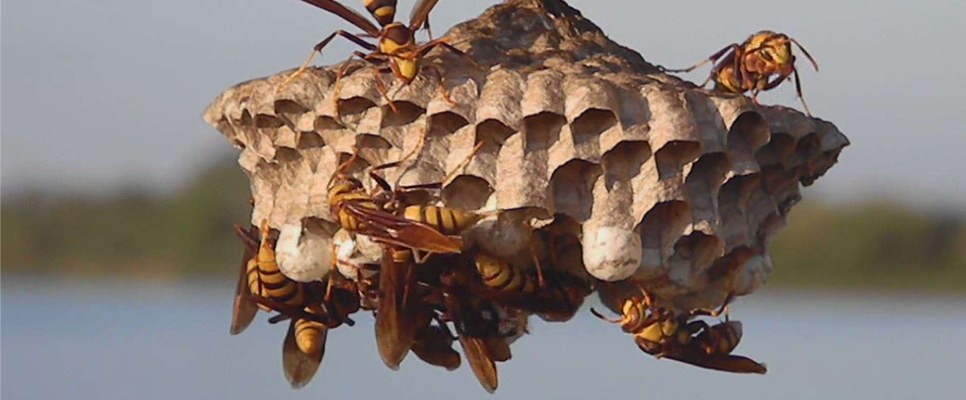
Wasp Nest Removal
A wasp nest near your home or business needs to be dealt with carefully. We locate the nest, treat it and remove it - working around people, pets and your property.
Learn more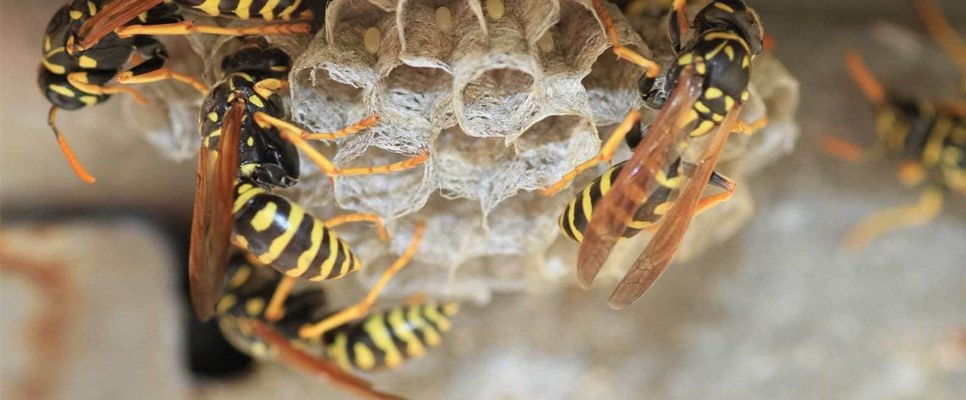
Wasp Nest Treatment
Active wasps around your property? We treat the nest at the source so the activity around your home or business settles down.
Learn more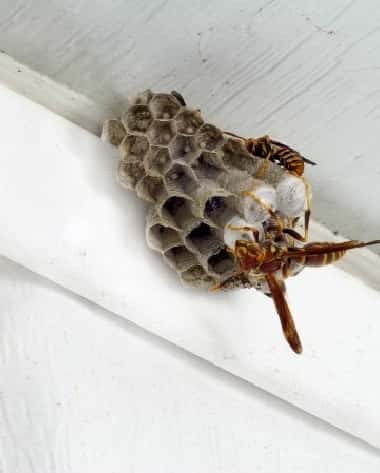
Wasp Nest Control
Wasps often return to the same nesting spots year after year. We deal with the nest and remove it.
Learn more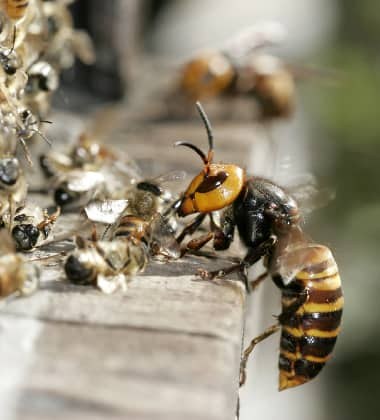
Wasp Control Services
Wasp control for homes and commercial properties - inspection, identification, nest treatment and checks through the warmer months.
Learn more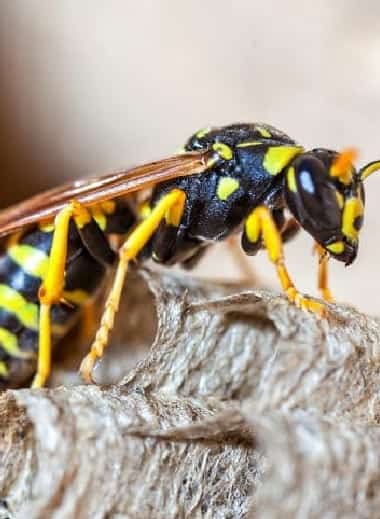
Hornet Removal
Large, hornet-like wasps and their nests removed from your home or business. We identify what you have and deal with the nest.
Learn more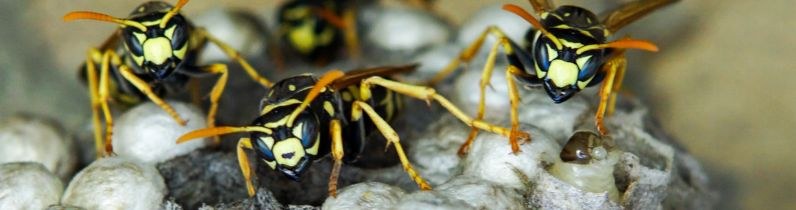
Emergency Wasp Removal
A wasp nest at your front door, in a play area or where customers eat can't wait. Call us and we will arrange urgent removal.
Learn more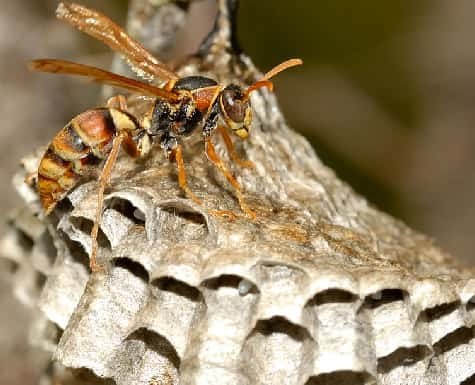
Paper Wasp Removal
Open, umbrella-shaped paper wasp nests under your eaves, pergola or shed? We remove them before the colony grows.
Learn more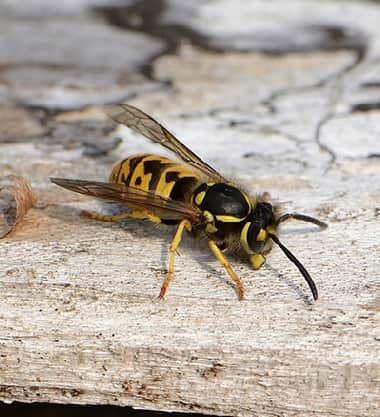
European Wasp Removal
Bright yellow-and-black wasps nesting in the ground, a wall or a roof space? We identify European wasps and deal with the nest.
Learn moreMore Wasp Types
Fig Wasps
Tiny wasps that live inside figs and pollinate fig trees.
Cuckoo Wasps
Small, metallic jewel-coloured wasps that lay their eggs in the nests of other wasps and bees.
Spider Wasps
Solitary wasps that hunt spiders, paralyse them and use them as food for their young.
All Wasp Types
Identify the wasps found around Australian homes and businesses - and find out which ones need attention.
Found a Wasp Nest? Call Us Now
Please don't disturb an active nest. Call us or send the quote form and we will arrange nest removal for your home or business.
Frequently asked questions
Quick answers to what people ask us most.
Do parasitic wasps sting people?
Most cannot sting people at all, and the long tube on some species is used to lay eggs, not to sting.
What should I do if I find a wasp nest?
Keep people and pets away, don't block the entrance and don't knock or spray the nest. Contact us and we will identify the wasp and arrange an inspection.
Can you identify the wasp for me?
Yes. Tell us what you can see - size, colour, nest shape and where it is - and we will identify it when we inspect.